
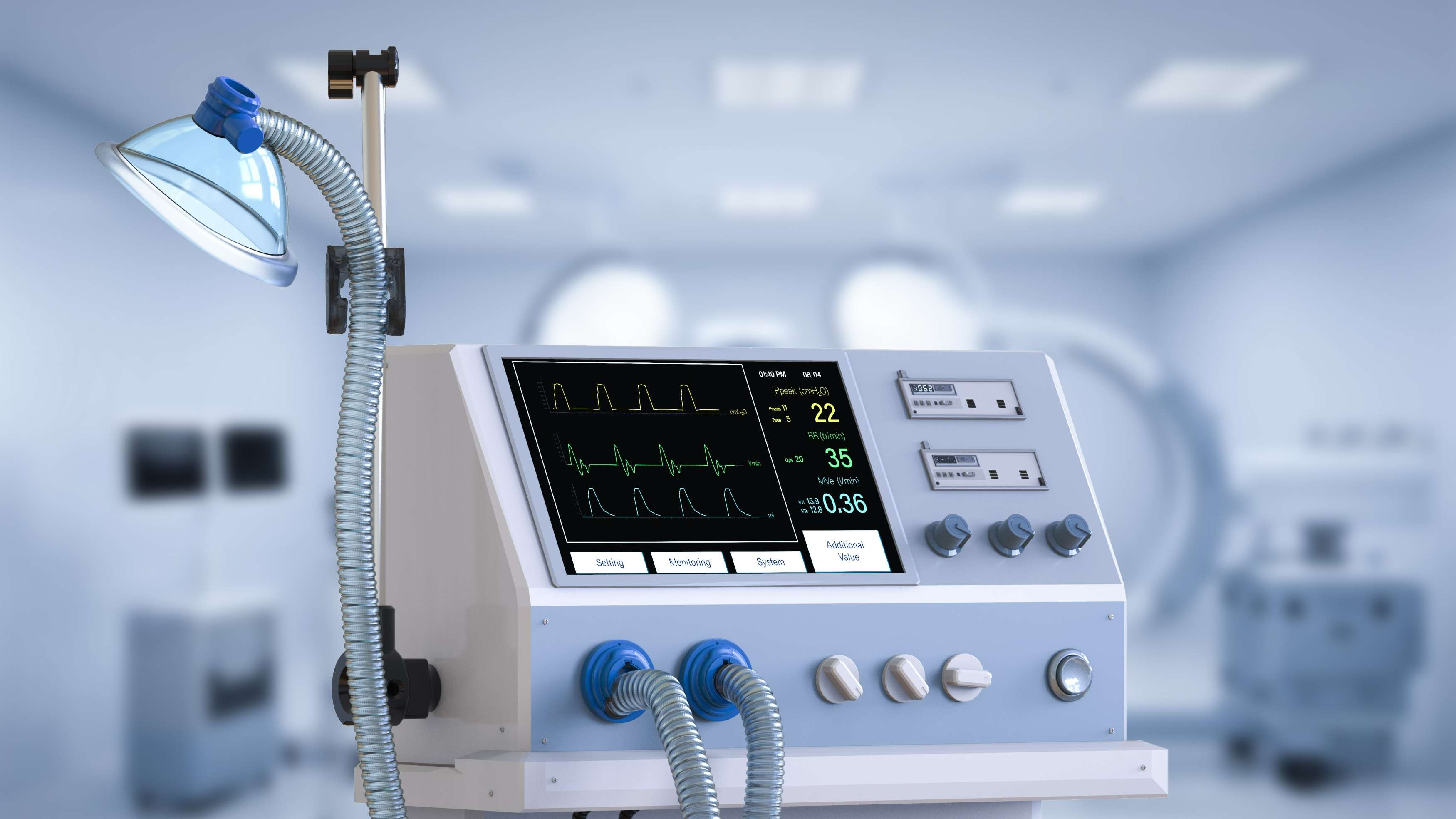
Ventilators are one of the most important medical devices used in modern hospitals to support patients who cannot breathe properly on their own. In critical care medicine, a ventilator provides oxygen to the lungs, removes carbon dioxide from the body, and helps maintain stable breathing until the patient recovers. The global COVID-19 pandemic brought widespread attention to ventilators and highlighted their essential role in emergency treatment, intensive care units (ICUs), and life-saving respiratory support.
A ventilator is a machine designed to deliver artificial breathing assistance when natural breathing becomes weak or stops completely. Doctors use ventilators for patients suffering from severe lung infections, respiratory failure, major trauma, stroke, or complications during surgery. By ensuring a continuous oxygen supply, ventilators protect vital organs such as the brain and heart from damage caused by low oxygen levels. Because of this function, ventilators are considered a cornerstone of critical care treatment worldwide.
There are two primary types of ventilators used in healthcare settings: invasive ventilators and non-invasive ventilators. Invasive ventilation involves inserting a breathing tube through the mouth or nose into the windpipe, allowing direct airflow into the lungs. This method is commonly used for critically ill ICU patients who require full breathing support. Non-invasive ventilation, in contrast, uses a face mask or nasal mask to provide oxygen without inserting a tube. This option is often suitable for patients with moderate breathing difficulty who remain conscious and stable. Understanding the difference between invasive and non-invasive ventilators helps patients and families make informed medical decisions.
The working principle of a ventilator is based on controlled air pressure, oxygen concentration, and breathing rhythm. Healthcare professionals set the breathing rate, airflow volume, and oxygen percentage according to the patient’s medical condition. Modern ventilators include smart sensors, safety alarms, and real-time monitoring systems that track oxygen saturation, lung pressure, and breathing patterns. These advanced features improve patient safety and allow doctors to respond quickly to any change in condition, making ventilator technology more effective than ever before.
Despite being life-saving devices, ventilators can involve certain risks if used for a long time. Possible complications include lung infections, throat irritation, weakened breathing muscles, and psychological stress after prolonged ICU stays. For this reason, doctors carefully monitor each patient and attempt to reduce ventilator dependence as soon as natural breathing improves. This gradual reduction process is known as ventilator weaning, an essential step in recovery and rehabilitation.
Recovery after ventilator support often requires breathing exercises, physiotherapy, balanced nutrition, and emotional care. Many patients regain full lung function with proper rehabilitation and medical follow-up. Family support and mental health care are also important because critical illness and ICU treatment can be physically and emotionally challenging. Early rehabilitation significantly improves long-term recovery outcomes for ventilated patients.
In developing countries such as Bangladesh, access to ventilators and ICU facilities has historically been limited. However, healthcare investment, government initiatives, and lessons learned from the COVID-19 crisis have increased the availability of ventilators in recent years. Expanding critical care infrastructure, training medical professionals, and ensuring affordable treatment remain key priorities for improving national healthcare systems. Greater access to ventilator support can reduce preventable deaths from respiratory diseases and medical emergencies.
Public awareness about ventilators is equally essential for better healthcare outcomes. Many people mistakenly believe that being placed on a ventilator means death is certain. In reality, ventilators are often temporary life-support tools that give the lungs time to heal. Thousands of patients worldwide recover successfully after receiving ventilator treatment. Educating communities about respiratory health, early hospital admission, and the benefits of ventilator care can save lives and reduce unnecessary fear.
From a medical technology perspective, ventilators continue to evolve with innovations such as portable ventilators, smart monitoring integration, and improved infection control systems. Future ventilator designs aim to be more efficient, affordable, and accessible, especially in low-resource settings. These advancements will strengthen emergency preparedness and improve survival rates during pandemics, natural disasters, and large-scale health crises.
In conclusion, ventilators are a vital component of modern healthcare and critical care medicine. They provide essential respiratory support, increase survival chances, and allow time for recovery from severe illness or injury. Continued investment in ventilator technology, hospital infrastructure, and public awareness will further enhance patient outcomes across the world. As medical science advances, ventilators will remain a powerful symbol of hope, resilience, and life-saving innovation in hospitals and emergency care systems.

