
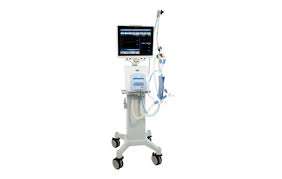
Ventilator Machine: A Life-Saving Technology in Modern Healthcare
A ventilator machine is one of the most critical medical devices used in hospitals to support or replace a patient’s natural breathing. It is commonly used in intensive care units (ICUs), emergency departments, and during major surgeries. When a person is unable to breathe adequately due to illness, injury, or the effects of anesthesia, a ventilator delivers oxygen to the lungs and removes carbon dioxide from the body, helping to keep the patient alive and stable.
To understand the importance of a ventilator, it is helpful to first understand breathing. In normal conditions, the lungs expand and contract automatically, allowing oxygen to enter the bloodstream and carbon dioxide to be expelled. However, certain medical conditions—such as severe pneumonia, respiratory failure, head injury, stroke, or complications during surgery—can prevent the lungs from functioning properly. In these situations, a ventilator provides the necessary support to maintain life.
The primary function of a ventilator machine is to move air in and out of the lungs. It delivers a controlled mixture of oxygen and air through a tube placed in the patient’s airway, usually through the mouth into the trachea, known as endotracheal intubation. In some long-term cases, a surgical opening in the neck called a tracheostomy may be used instead. The ventilator carefully controls how much air is delivered, how often breaths occur, and the pressure used, ensuring safe and effective breathing support.
A modern ventilator consists of several important components. One of the main parts is the control system, which allows healthcare providers to set breathing parameters such as tidal volume (the amount of air per breath), respiratory rate (breaths per minute), oxygen concentration, and pressure limits. These settings are adjusted based on the patient’s age, weight, lung condition, and medical diagnosis.
Another key component is the gas delivery system. This includes oxygen and compressed air sources connected to the ventilator. The machine mixes these gases to provide the exact oxygen concentration required. Sensors continuously monitor airflow, pressure, and oxygen levels to ensure accurate delivery.
The breathing circuit connects the ventilator to the patient. It includes flexible tubes, filters, and a humidifier. Humidification is important because natural breathing through the nose and throat warms and moistens the air, but ventilator air must be artificially conditioned to prevent lung irritation and dryness.
Monitoring and alarm systems are essential safety features of ventilator machines. The ventilator constantly tracks pressure, volume, oxygen levels, and patient effort. If any abnormal condition occurs—such as disconnection, blockage, high pressure, or low oxygen—the machine immediately triggers visual and audible alarms so healthcare staff can respond quickly. These safety mechanisms are crucial for preventing life-threatening complications.
Ventilators can operate in different modes depending on how much assistance the patient needs. In full support modes, the ventilator completely controls breathing for unconscious or critically ill patients. In assisted modes, the machine supports breaths initiated by the patient. There are also weaning modes that gradually reduce support as the patient recovers and begins breathing independently again. This flexibility allows personalized treatment for each medical situation.
Ventilator machines became widely recognized during global respiratory disease outbreaks, especially the COVID-19 pandemic. Many severely ill patients required mechanical ventilation due to lung damage and low oxygen levels. The pandemic highlighted the importance of having enough ventilators, trained staff, and proper ICU infrastructure to manage large numbers of critically ill patients.
Despite being life-saving, ventilator use also carries risks. Long-term ventilation can lead to lung injury, infection such as ventilator-associated pneumonia, or muscle weakness due to reduced natural breathing. For this reason, doctors aim to use the lowest effective ventilator support and remove the patient from the machine as soon as it is safe to do so. Careful monitoring, sterile techniques, and proper nursing care help reduce complications.
Operating a ventilator requires specialized training. Doctors, respiratory therapists, and critical care nurses work together to manage ventilator settings, monitor blood oxygen and carbon dioxide levels, and adjust treatment based on the patient’s response. Continuous observation is essential because a patient’s condition can change rapidly in critical illness.
Maintenance and technical reliability are also very important. Biomedical engineers regularly inspect ventilators, check sensors, replace filters, and perform calibration to ensure accurate performance. Any malfunction could endanger a patient’s life, so strict quality control is necessary in hospitals.
Technology in ventilator design continues to improve. Modern ventilators feature touchscreen displays, advanced ventilation modes, portable battery operation, and integration with hospital monitoring systems. Some new systems use smart algorithms to adjust breathing support automatically based on real-time patient data. Portable and transport ventilators also allow safe movement of critically ill patients within hospitals or in ambulances.
In many developing regions, access to ventilators is still limited. Rural hospitals may lack sufficient machines, trained personnel, or maintenance support. Expanding critical care infrastructure, training healthcare workers, and ensuring affordable equipment are essential steps toward improving survival rates for severe respiratory illness worldwide.
In conclusion, the ventilator machine is a cornerstone of modern critical care medicine. It provides essential breathing support for patients who cannot breathe on their own, helping doctors save lives in emergencies, surgeries, and severe illnesses. With skilled healthcare professionals, proper maintenance, and advancing technology, ventilators will continue to play a vital role in strengthening healthcare systems and improving patient outcomes across the world.

