
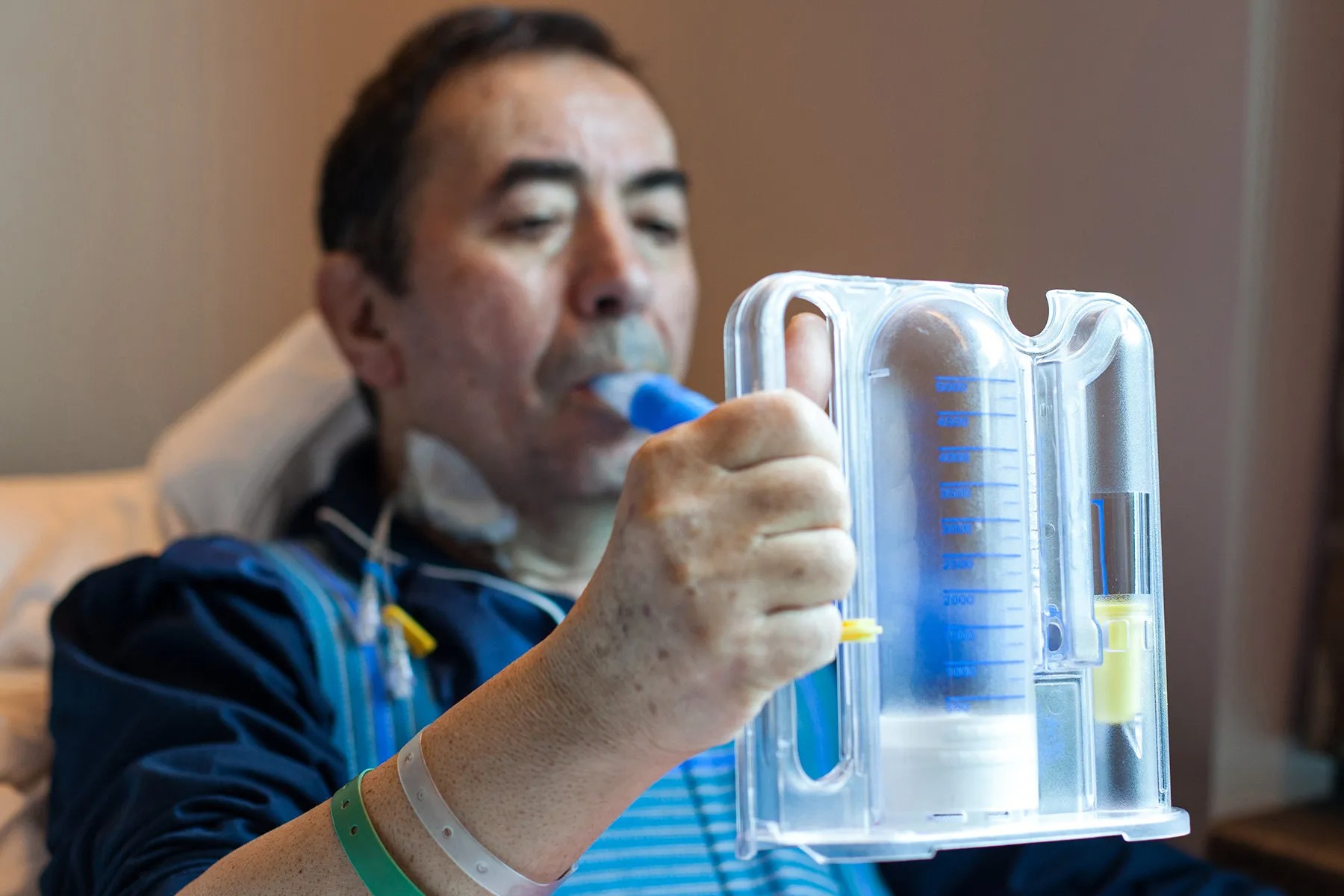
A spirometer is a common medical device used to measure how well the lungs are functioning. It plays a crucial role in diagnosing, monitoring, and managing respiratory conditions such as asthma, chronic obstructive pulmonary disease (COPD), pulmonary fibrosis, and other breathing disorders. By assessing how much air a person can inhale and exhale, as well as how quickly they can breathe out, a spirometer provides valuable information about overall lung capacity and respiratory health.
Spirometry, the test performed using a spirometer, is simple, non-invasive, and widely used in hospitals, clinics, and even home healthcare settings. Doctors often recommend a spirometry test when a patient experiences symptoms like shortness of breath, chronic cough, wheezing, or chest tightness. It is also commonly used for routine health screening, pre-surgical evaluation, occupational health assessments, and long-term monitoring of lung diseases.
A spirometer typically consists of a mouthpiece, tubing, and a recording device that measures airflow and lung volume. During the test, the patient takes a deep breath and then exhales forcefully into the mouthpiece for several seconds. The machine records key measurements such as Forced Vital Capacity (FVC), which is the total amount of air exhaled, and Forced Expiratory Volume in one second (FEV1), which measures how much air is expelled in the first second of exhalation. These values help doctors determine whether lung function is normal, obstructed, or restricted.
There are different types of spirometers designed for various medical needs. Tabletop spirometers are commonly used in hospitals and diagnostic centers because they provide detailed and highly accurate readings. Portable spirometers are smaller, lightweight devices that allow lung function testing in outpatient clinics, community health programs, and home monitoring. Incentive spirometers, often used after surgery, encourage patients to take deep breaths to prevent lung complications such as pneumonia or atelectasis. Each type serves a specific purpose in respiratory care and rehabilitation.
Using a spirometer offers several important health benefits. Early detection of lung disease allows timely treatment and prevents complications. Regular spirometry testing helps doctors evaluate how well medications are working and whether treatment plans need adjustment. For patients with chronic respiratory illness, monitoring lung function over time improves disease control and quality of life. In occupational settings, spirometry helps identify lung damage caused by dust, chemicals, or pollution exposure.
The spirometry test is generally safe, quick, and painless. However, patients may feel temporary dizziness, coughing, or shortness of breath due to forceful exhalation. For accurate results, patients are usually advised to avoid smoking, heavy meals, or certain medications before the test, depending on medical guidance. Proper technique and cooperation during the test are essential to ensure reliable measurements.
In developing countries such as Bangladesh, respiratory diseases are a growing public health concern due to air pollution, smoking, and occupational hazards. Increasing access to spirometry testing can significantly improve early diagnosis and treatment of lung conditions. Community awareness programs, affordable diagnostic services, and trained healthcare professionals are key to expanding respiratory care and preventing severe complications.
Modern spirometers continue to evolve with digital technology. Many new devices include touchscreen displays, automated result interpretation, wireless connectivity, and integration with electronic medical records. Some portable spirometers even connect to mobile apps, allowing patients to track lung function at home and share reports with doctors remotely. These innovations are improving convenience, accuracy, and long-term disease management.
In conclusion, the spirometer is a vital medical device for evaluating lung function and maintaining respiratory health. It supports early diagnosis, guides treatment decisions, and helps monitor chronic lung diseases effectively. With growing awareness, improved healthcare access, and advancing technology, spirometry will remain an essential tool in modern respiratory medicine. Protecting lung health through regular testing, pollution control, and healthy lifestyle choices can lead to longer, healthier lives for people around the world.

