
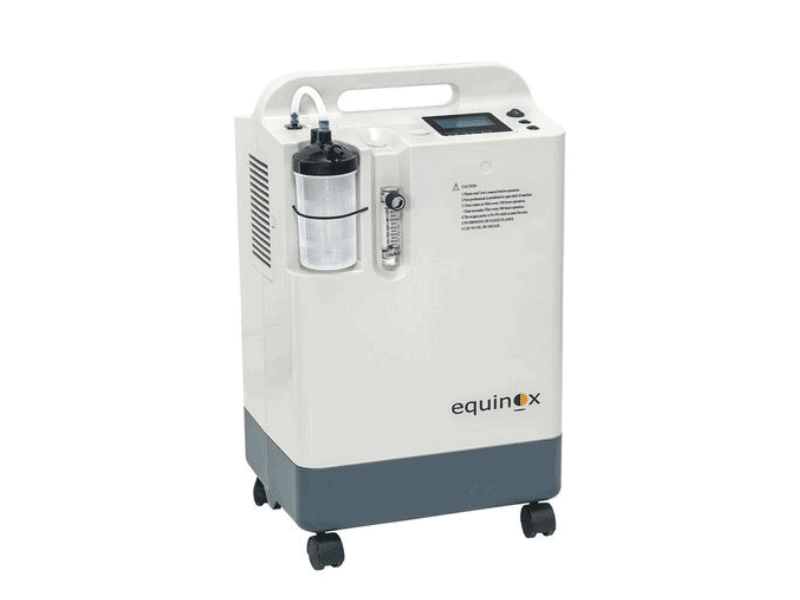
An oxygen concentrator is a medical device that provides a continuous supply of oxygen to patients who have difficulty breathing or low oxygen levels in their blood. Unlike traditional oxygen cylinders, which store a fixed amount of compressed oxygen, an oxygen concentrator draws in normal air from the surrounding environment, removes nitrogen, and delivers concentrated oxygen to the patient. This makes it a convenient and cost-effective solution for both hospital and home use.
Oxygen concentrators are commonly used for patients with respiratory conditions such as chronic obstructive pulmonary disease (COPD), asthma, pneumonia, COVID-19 recovery, lung fibrosis, and other breathing disorders. Doctors may also recommend oxygen therapy for elderly patients or individuals with heart conditions that reduce oxygen supply to the body. By improving oxygen levels, the device helps reduce shortness of breath, increase energy, support organ function, and improve overall quality of life.
The basic working principle of an oxygen concentrator involves several internal components. A compressor pulls in room air and passes it through special filters and molecular sieves that separate nitrogen from oxygen. The purified oxygen is then delivered through tubing to a nasal cannula or oxygen mask worn by the patient. Modern concentrators include digital controls, oxygen purity indicators, alarms for low oxygen levels, and adjustable flow-rate settings to ensure safe and accurate therapy.
There are two main types of oxygen concentrators: stationary and portable.
Stationary oxygen concentrators are larger units typically used at home or in hospitals for long-term oxygen therapy. They provide higher oxygen flow rates and can run continuously for many hours. Portable oxygen concentrators are smaller, lightweight, and battery-powered, allowing patients to move freely, travel, and maintain daily activities while receiving oxygen support.
Safety and maintenance are important when using an oxygen concentrator. The device should be placed in a well-ventilated area away from heat, flames, or smoking materials, because oxygen supports combustion. Filters must be cleaned or replaced regularly, and the machine should be serviced according to manufacturer guidelines to maintain proper oxygen purity and performance.
One of the biggest advantages of oxygen concentrators is that they do not require frequent refilling like oxygen cylinders. As long as electricity or battery power is available, the device can continuously generate oxygen. This reduces long-term cost, improves convenience, and ensures reliable access to life-supporting therapy, especially in home-care settings.
In conclusion, an oxygen concentrator is an essential medical device for patients with breathing difficulties or low oxygen saturation. By providing a steady, safe, and convenient source of concentrated oxygen, it supports recovery, enhances comfort, and helps maintain healthy body function. Its growing use in hospitals, clinics, and homes highlights its vital role in modern respiratory care and long-term patient support.

