
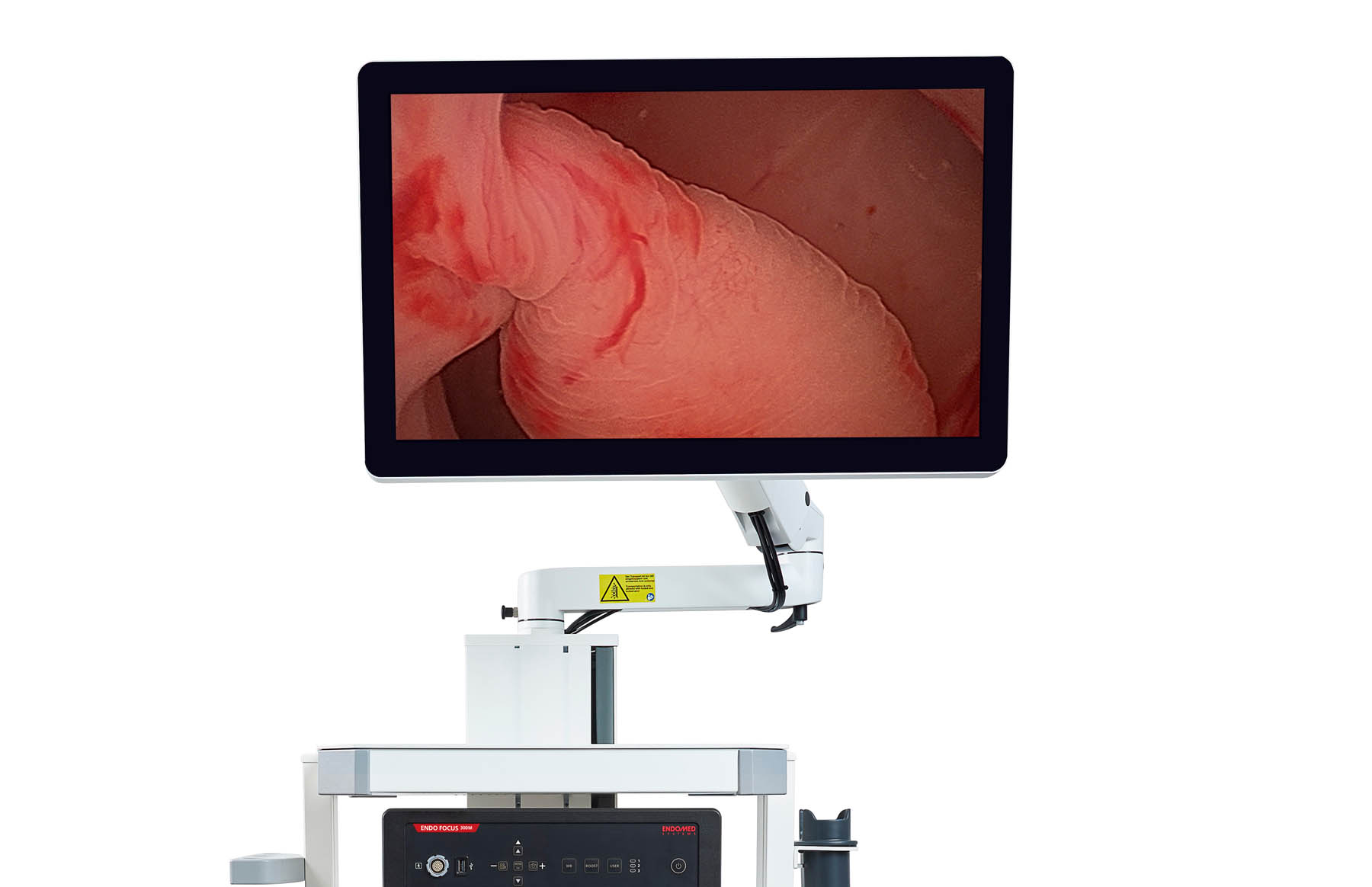
Hysteroscopy System: Precision Visualization for Modern Gynecological Care
The Hysteroscopy System is an advanced medical technology used to examine and treat conditions inside the uterus with high precision and minimal invasiveness. Widely applied in gynecology, hysteroscopy allows doctors to directly visualize the uterine cavity using a thin, lighted instrument called a hysteroscope. This real-time imaging capability improves diagnostic accuracy, supports targeted treatment, and reduces the need for traditional open surgical procedures.
A complete hysteroscopy system typically includes a rigid or flexible hysteroscope, a high-resolution camera, an LED or xenon light source, an image processing unit, a fluid management system, and a medical display monitor. The hysteroscope is gently inserted through the cervix into the uterus, allowing clear visualization of the endometrial lining on a screen. Modern systems often provide HD or 4K imaging, enabling clinicians to detect even subtle abnormalities such as polyps, fibroids, adhesions, or abnormal tissue growth.
Hysteroscopy is commonly recommended for women experiencing abnormal uterine bleeding, infertility, recurrent miscarriage, postmenopausal bleeding, or suspected uterine abnormalities. Because the procedure provides direct visualization, it is considered more accurate than many imaging-only diagnostic methods. Physicians can precisely identify structural problems that may interfere with normal menstrual function or pregnancy.
One of the most important advantages of the hysteroscopy system is its combined diagnostic and therapeutic capability. During the same procedure, doctors can remove uterine polyps, resect small fibroids, treat intrauterine adhesions, retrieve displaced intrauterine devices (IUDs), or perform targeted biopsies. This minimally invasive approach reduces the need for major surgery, shortens hospital stays, lowers medical costs, and allows faster recovery for patients.
Patient comfort and safety are key priorities in modern hysteroscopy. Many diagnostic procedures can be performed with little or no anesthesia, while operative hysteroscopy may use local, regional, or mild general anesthesia depending on complexity. Because no external incision is required, postoperative pain is usually minimal, and most patients can return to normal daily activities within a short period. Strict sterilization protocols and improved instrument design further enhance procedural safety.
Technological advancements continue to improve hysteroscopy outcomes. Enhanced imaging, better illumination, and refined surgical instruments allow more precise treatment with minimal trauma to healthy tissue. Digital recording and integration with hospital information systems support documentation, follow-up care, teleconsultation, and medical training—contributing to more efficient and patient-centered healthcare delivery.
Despite its many benefits, successful hysteroscopy depends on skilled clinical expertise, appropriate patient selection, and proper equipment maintenance. When performed by trained professionals under sterile conditions, complications are rare and usually mild, such as temporary cramping or light bleeding.
In conclusion, the Hysteroscopy System is a cornerstone of modern gynecological diagnosis and treatment. By combining high-resolution visualization, minimally invasive technique, and immediate therapeutic capability, it enables early detection and effective management of uterine conditions. As medical imaging and endoscopic technology continue to evolve, hysteroscopy will remain essential in improving women’s reproductive health, safety, and overall quality of care.

