
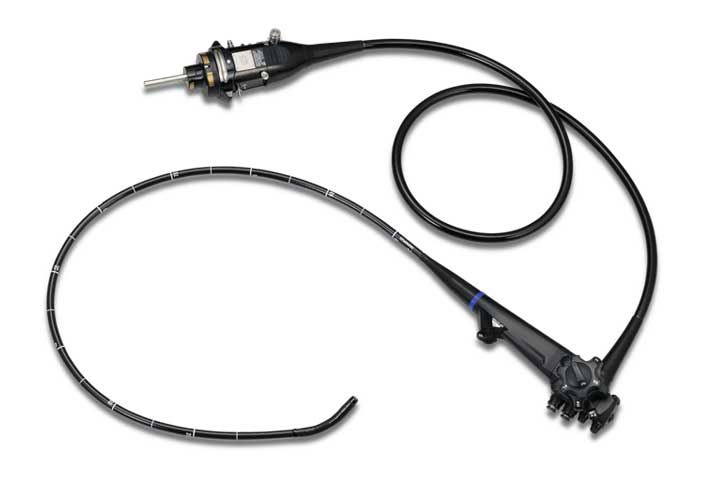
Gastroscopes: A Reliable Technology for Modern Diagnosis of Gastric Diseases
In contemporary medical science, the gastroscope has become an essential instrument for diagnosing and treating stomach-related diseases. A gastroscope is a thin, flexible endoscopic device equipped with a tiny camera and light at its tip. Through this device, doctors can directly observe the inner lining of the esophagus, stomach, and duodenum. As a result, the underlying causes of various gastric problems can be identified quickly and accurately.
Gastroscopy is usually recommended when a patient experiences long-term acidity, heartburn, nausea, vomiting, vomiting of blood, black stools, difficulty swallowing, or unexplained weight loss. It is also widely used to detect ulcers, gastritis, polyps, tumors, and early signs of cancer. In addition to diagnosis, gastroscopes allow physicians to perform therapeutic procedures such as taking biopsies, stopping internal bleeding, or removing small polyps during the same examination.
The gastroscopy procedure is generally safe and does not take much time. Patients are typically advised to avoid eating for about 6–8 hours before the test so that the stomach remains empty and clear for proper visualization. During the examination, a local anesthetic spray is applied to the throat, and in some cases mild sedation is given to minimize discomfort. The entire process usually takes only 5 to 10 minutes to complete.
Many people feel anxious or fearful about undergoing gastroscopy. However, advances in modern technology have made the procedure far more comfortable and secure than in the past. High-definition cameras now enable doctors to detect even very subtle abnormalities at an early stage, allowing timely treatment and reducing the risk of serious complications.
Another major advantage of gastroscopes is their ability to treat certain conditions without the need for surgery. For example, doctors can remove foreign objects stuck in the esophagus, control internal bleeding, or dilate narrowed sections of the digestive tract using endoscopic techniques. This significantly reduces patient suffering, medical costs, and hospital stay duration.
Like any medical procedure, gastroscopy has some minor limitations. A small number of patients may experience throat irritation, mild discomfort, or slight bleeding after the test, but serious complications are extremely rare. Therefore, when performed under proper medical supervision, gastroscopy is considered a safe and reliable diagnostic method.
In summary, the gastroscope is an indispensable tool in modern gastroenterology. It plays a crucial role in the rapid, accurate, and low-risk detection and treatment of digestive diseases. With increased awareness and timely medical evaluation, many complex gastric conditions can be effectively managed or even prevented.

