
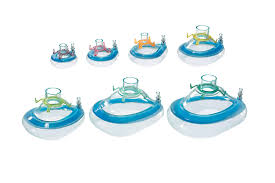
Modern medical science has transformed the way surgeries and critical care treatments are performed. Procedures that were once considered highly risky are now carried out with much greater safety and precision. Behind this progress are many advanced medical devices that work quietly but play life-saving roles. Among these, anesthesia face masks and ventilator face masks are two of the most important tools used in hospitals, operating rooms, and intensive care units.
Although they may appear simple from the outside, these masks are carefully designed medical devices that support breathing, deliver oxygen, and help doctors manage patients safely during surgery or severe illness. Understanding their purpose and importance helps us appreciate how modern healthcare protects human life.
An anesthesia face mask is a specialized medical mask used to deliver oxygen and anesthetic gases to a patient before and during surgery. These gases allow doctors to make the patient unconscious, prevent pain, and keep the body relaxed throughout the surgical procedure. The mask is usually made from soft, medical-grade materials that create a tight seal around the patient’s nose and mouth. This seal is very important because it prevents anesthetic gases from leaking into the surrounding air and ensures the patient receives the correct amount of medication and oxygen.
Anesthesia face masks are commonly used in operating rooms during surgical procedures, in emergency situations requiring rapid sedation, and in short medical procedures that need controlled anesthesia. During surgery, the mask allows safe and controlled transfer of anesthetic agents into the patient’s lungs, ensuring unconsciousness and pain relief. It also maintains a steady oxygen supply so that vital organs such as the brain and heart continue to function normally. In addition, doctors and anesthesiologists can support or control the patient’s breathing using the mask connected to breathing circuits or anesthesia machines. Without anesthesia masks, safe surgical care would be extremely difficult to achieve.
A ventilator face mask, on the other hand, is designed for patients who cannot breathe properly on their own or whose lungs are too weak to supply enough oxygen to the body. This mask connects to a ventilator machine that pushes oxygen-rich air into the lungs and helps remove carbon dioxide. Ventilator masks are widely used in intensive care units, in cases of severe pneumonia or lung infections, during COVID-19 and other respiratory diseases, for trauma or unconscious patients, and for people suffering from chronic breathing disorders. In many emergency situations, ventilator support becomes the difference between life and death.
Ventilator face masks are vital because breathing is the most basic function required for survival. They help maintain stable oxygen levels in the body so that organs can continue working properly. They reduce the physical effort needed to breathe, allowing weak or exhausted patients to rest while the ventilator assists their lungs. Adequate oxygen supply also prevents damage to critical organs such as the brain, heart, and kidneys. By stabilizing breathing, ventilator support gives the body time to recover from infection, injury, or major surgery.
Although anesthesia and ventilator masks are both related to breathing and oxygen delivery, their purposes are different. An anesthesia mask is mainly used to make a patient unconscious during surgery, while a ventilator mask is used to help a patient breathe when natural breathing is not sufficient. The duration of use also differs. Anesthesia masks are generally used for short periods during medical procedures, whereas ventilator masks may be required for hours, days, or even weeks in critical care. Anesthesia masks connect to anesthesia machines that deliver gases, while ventilator masks connect to ventilators that control breathing patterns and airflow. Despite these differences, both devices share the same ultimate goal of protecting and saving human life.
Both types of masks are produced using high-quality medical-grade materials such as silicone or soft plastic. These materials are non-toxic, safe for skin contact, flexible enough to create a comfortable seal, and resistant to infection or contamination. Some masks are designed for single use to maintain hygiene, while others can be sterilized and reused safely. Different sizes are available for infants, children, and adults to ensure proper fitting and effective treatment for every patient.
In emergency medicine, every second is critical. When a patient stops breathing or cannot receive enough oxygen, immediate action is required. Anesthesia and ventilator masks allow healthcare professionals to deliver oxygen within seconds, manage the airway quickly, and stabilize the patient before further treatment begins. During the global COVID-19 pandemic, ventilator masks became widely recognized as life-saving equipment in hospitals across the world, highlighting the essential role of respiratory support technology in modern healthcare.
While the masks themselves are crucial, trained medical professionals are equally important. Doctors, anesthesiologists, nurses, and respiratory therapists carefully monitor oxygen levels, breathing patterns, heart rate, blood pressure, and the patient’s overall response. Their knowledge and attention ensure that these devices are used safely, effectively, and with the highest level of care.
Medical technology continues to advance, and newer anesthesia and ventilator masks are being developed with improved sealing systems to prevent gas leakage, greater comfort for long-term use, enhanced infection-control features, lightweight and environmentally friendly materials, and smart monitoring integration. These innovations aim to make treatment safer, faster, and more comfortable for patients around the world.
In conclusion, anesthesia and ventilator face masks are silent yet powerful tools in modern medicine. From the operating room to the intensive care unit, they support breathing, deliver oxygen, and protect patients during some of the most critical moments of life. Without these essential devices, safe surgery and advanced critical care would not be possible. Their continued development reflects the progress of medical science and humanity’s commitment to saving lives. As healthcare technology moves forward, anesthesia and ventilator masks will remain fundamental components of patient safety, quietly working in the background while making an immeasurable difference in human survival.

