
Endoscopy Camera System: Advancing Precision in Modern Medical Imaging
The endoscopy camera system is one of the most important technological innovations in modern medical diagnostics. It allows physicians to visualize the internal structures of the human body in real time without the need for major surgery. Commonly used in gastrointestinal, respiratory, urological, and surgical procedures, this system plays a crucial role in early disease detection, accurate diagnosis, and minimally invasive treatment.
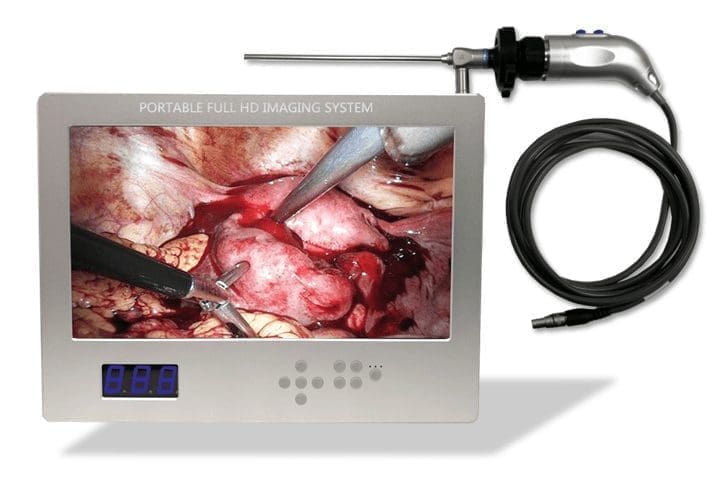
An endoscopy camera system typically consists of a high-resolution camera head, a light source, a video processor, a monitor, and flexible or rigid endoscopes. The miniature camera attached to the endoscope captures detailed images from inside the body and transmits them to a display screen. This real-time visualization helps doctors examine organs such as the esophagus, stomach, colon, lungs, bladder, and joints with remarkable clarity.
One of the key advantages of modern endoscopy camera systems is high-definition (HD) and even 4K imaging capability. These advanced imaging technologies provide sharper detail, improved color accuracy, and better contrast, enabling physicians to detect subtle abnormalities such as inflammation, ulcers, polyps, or early-stage tumors. Some systems also include image-enhancement technologies like Narrow Band Imaging (NBI) or digital chromoendoscopy, which further improve the detection of precancerous lesions.
Endoscopy camera systems are widely used in both diagnostic and therapeutic procedures. Doctors can perform biopsies, remove small growths, control bleeding, or place stents using endoscopic guidance. Because these procedures are minimally invasive, patients usually experience less pain, shorter hospital stays, faster recovery, and reduced medical costs compared to traditional open surgery.
Safety and patient comfort are also major considerations. Modern systems are designed with sterilizable components, ergonomic controls, and precise illumination to ensure clear visualization while minimizing tissue damage. Many procedures are performed under mild sedation, making the experience more comfortable for patients.
In hospitals and diagnostic centers, endoscopy camera systems have significantly improved workflow efficiency. Digital recording and storage allow physicians to review procedures, share findings with other specialists, and maintain accurate medical documentation. This also enhances medical training and patient education.
Despite its many benefits, proper handling and maintenance of the equipment are essential. Regular sterilization, calibration, and technical servicing ensure image quality and prevent infection risks. Skilled medical professionals are also required to operate the system safely and interpret the findings correctly.
In conclusion, the endoscopy camera system represents a major advancement in modern healthcare technology. By providing clear, real-time visualization of internal organs, it enables early diagnosis, precise treatment, and minimally invasive care. As imaging technology continues to evolve, endoscopy camera systems will remain a cornerstone of safe, efficient, and patient-centered medical practice.

