
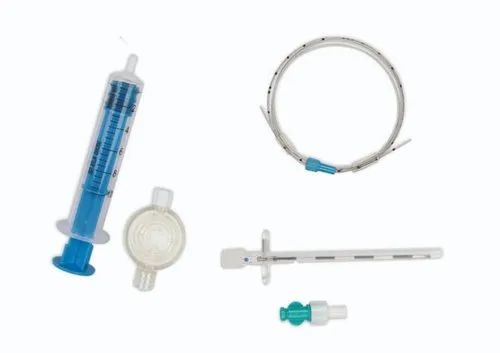
A disposable epidural anesthesia set is a sterile, single-use medical kit designed to deliver local anesthetic drugs into the epidural space around the spinal cord. This technique, known as epidural anesthesia, is widely used to provide pain relief during childbirth, major abdominal surgery, lower limb surgery, and postoperative recovery. Because the set is intended for one-time use only, it plays a vital role in maintaining infection control and ensuring patient safety in hospitals and surgical centers.
Epidural anesthesia works by blocking pain signals from specific nerves before they reach the brain. Unlike spinal anesthesia, which produces rapid and complete numbness, epidural anesthesia allows controlled and continuous pain relief through a catheter placed in the epidural space. This makes it especially useful for long surgical procedures and labor pain management, where adjustable dosing is required over time.
A typical disposable epidural anesthesia set contains several essential components. These usually include an epidural needle, epidural catheter, connector, syringe, filter, loss-of-resistance syringe, and dressing materials. Each component is carefully designed to support accurate needle placement, smooth catheter insertion, safe drug delivery, and protection against contamination. The epidural needle is made of high-quality stainless steel for strength and precision, while the catheter is flexible and biocompatible to remain safely in place for continuous infusion.
One of the greatest advantages of a disposable epidural set is sterility. Every item in the kit is individually packed and sterilized, ready for immediate clinical use. After the procedure, all components are discarded according to medical waste protocols, eliminating the risk of cross-infection between patients. This single-use approach supports strict hospital hygiene standards and reduces the need for complex sterilization processes.
Disposable epidural anesthesia sets are manufactured using medical-grade, non-toxic, and latex-free materials to minimize allergic reactions and tissue irritation. Clear markings, smooth catheter surfaces, and secure locking connectors improve procedural accuracy and patient comfort. Many modern sets also include bacterial filters that reduce the chance of microorganisms entering the epidural space, further enhancing safety.
Healthcare professionals such as anesthesiologists carefully monitor the patient throughout epidural anesthesia. They assess pain relief level, blood pressure, heart rate, and overall response to medication. Proper technique, sterile handling, and continuous observation are essential to achieving effective anesthesia while minimizing complications.
In conclusion, the disposable epidural anesthesia set is a comprehensive and reliable tool for regional pain control in modern medicine. Its sterile single-use design, precision components, and safety-focused features help provide effective, adjustable anesthesia for surgery, childbirth, and postoperative care. Though often unnoticed by patients, this medical device plays a crucial role in improving comfort, reducing surgical risk, and maintaining high standards of clinical safety.

