
Cystoscopy System: Advanced Visualization for Urinary Tract Diagnosis and Treatment
The Cystoscopy System is an essential medical technology used to examine and manage conditions affecting the urinary bladder and urethra. As a key tool in modern urology, it enables physicians to directly visualize the internal lining of the lower urinary tract using a minimally invasive approach. This real-time visualization supports early diagnosis, accurate treatment planning, and improved patient outcomes without the need for major surgery.
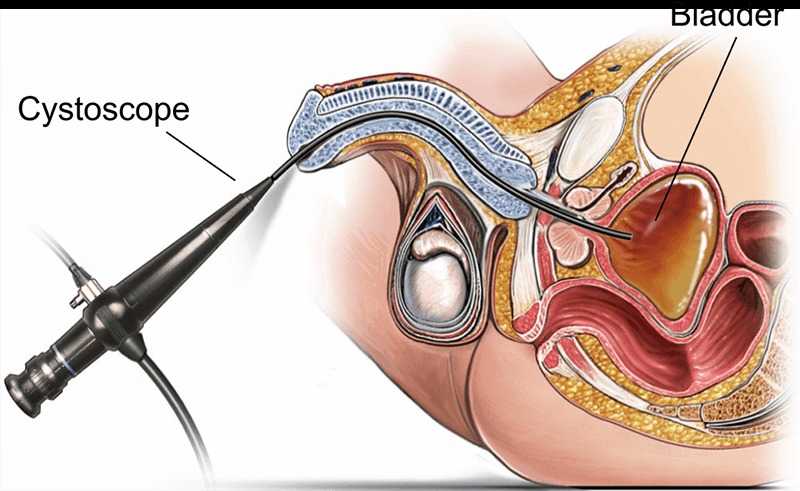
A standard cystoscopy system consists of a cystoscope (either flexible or rigid), a high-resolution camera, a powerful LED or xenon light source, an image processing unit, a display monitor, and specialized surgical accessories. The cystoscope is gently inserted through the urethra into the bladder, allowing the camera to transmit clear, magnified images to the monitor. Modern systems often feature HD or 4K imaging, providing enhanced clarity and color accuracy for detecting subtle abnormalities such as inflammation, stones, tumors, or structural changes.
Cystoscopy is commonly recommended for patients experiencing symptoms like blood in the urine (hematuria), recurrent urinary tract infections, painful urination, difficulty urinating, bladder control problems, or suspected bladder tumors. It is also widely used to evaluate prostate-related obstruction in men and to investigate unexplained urinary symptoms. Because the procedure offers direct visualization, it is considered one of the most reliable diagnostic methods in urology.
Beyond diagnosis, the cystoscopy system supports a variety of therapeutic procedures. Physicians can remove small bladder stones, take tissue biopsies, treat minor tumors, place ureteral stents, or control bleeding during the same session. This dual diagnostic-therapeutic capability reduces the need for multiple procedures, shortens treatment time, and improves patient comfort. Many interventions that once required open surgery can now be performed endoscopically with minimal trauma.
Patient safety and comfort are central to modern cystoscopy practice. Flexible cystoscopes, improved lubrication techniques, and local anesthesia or mild sedation significantly reduce discomfort during the examination. Since the procedure is minimally invasive, recovery is usually quick, and most patients return to normal activities within a short time. Strict sterilization and infection-control protocols further ensure safe clinical use.
Technological advancements continue to enhance cystoscopy performance. Digital imaging, narrow-band or blue-light visualization, and improved light transmission help detect early-stage bladder cancer and precancerous lesions that might otherwise be missed. Integration with hospital information systems allows image recording, documentation, teleconsultation, and long-term patient monitoring—contributing to more efficient and coordinated care.
Despite its many advantages, proper training and maintenance are essential. Skilled urologists must interpret findings accurately, and equipment must be regularly cleaned, sterilized, and serviced to maintain image quality and prevent infection. When used appropriately, complications are rare and typically minor, such as temporary burning during urination or mild discomfort.
In conclusion, the Cystoscopy System is a cornerstone of modern urological diagnosis and treatment. By combining high-resolution imaging, minimally invasive technique, and real-time therapeutic capability, it enables early detection of urinary tract diseases and effective intervention with minimal patient burden. As imaging and endoscopic technologies continue to evolve, cystoscopy will remain a vital tool in delivering safe, precise, and patient-centered urological care.

