
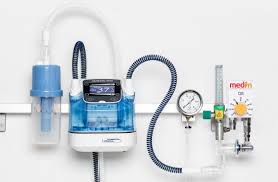
A CPAP system, short for Continuous Positive Airway Pressure system, is a widely used medical device designed to help people breathe more easily, especially during sleep. It is most commonly prescribed for individuals suffering from obstructive sleep apnea (OSA), a condition in which breathing repeatedly stops and starts due to airway blockage. By delivering a steady stream of pressurized air, the CPAP machine keeps the airway open and allows uninterrupted breathing throughout the night.
Sleep apnea is more than just loud snoring. It can lead to serious health problems such as high blood pressure, heart disease, daytime fatigue, poor concentration, and increased risk of stroke. Because of these risks, doctors often recommend CPAP therapy as the first and most effective treatment for moderate to severe sleep apnea. Consistent use of a CPAP system can significantly improve sleep quality, energy levels, and overall health.
A standard CPAP system consists of three main components: the CPAP machine, an air hose, and a mask. The machine generates pressurized air, which travels through the hose and into the mask worn over the nose or mouth during sleep. Modern CPAP devices are designed to be quiet, compact, and comfortable, making long-term use easier for patients. Many advanced models also include humidifiers, pressure adjustment features, and data tracking to monitor sleep patterns and breathing performance.
There are different types of CPAP-related devices available depending on medical needs. Fixed CPAP machines deliver a constant air pressure throughout the night. Auto-CPAP (APAP) machines automatically adjust pressure based on breathing patterns, providing more personalized comfort. BiPAP machines, or bilevel positive airway pressure systems, provide two different pressure levels—one for inhalation and a lower one for exhalation—often used for patients with more complex respiratory conditions.
Using a CPAP system regularly offers many health benefits. It reduces snoring, prevents breathing interruptions, improves oxygen levels, and promotes deeper, more restful sleep. Many users report feeling more alert during the day, with better mood, memory, and productivity. Long-term CPAP therapy can also lower the risk of heart complications and improve overall quality of life.
Despite its benefits, some new users find CPAP therapy uncomfortable at first. Common challenges include mask leakage, dry nose, skin irritation, or difficulty adjusting to air pressure. However, these issues can usually be solved by choosing the right mask size, adjusting humidity settings, or gradually increasing usage time. Support from sleep specialists and proper device fitting greatly improves comfort and long-term success.
Proper cleaning and maintenance of a CPAP system are essential for safety and effectiveness. Masks, tubing, and water chambers should be cleaned regularly to prevent bacterial growth and infections. Filters must also be replaced as recommended by the manufacturer. Good hygiene not only protects health but also extends the lifespan of the equipment.
In countries like Bangladesh, awareness about sleep apnea and CPAP therapy is still growing. Many people remain undiagnosed because symptoms such as snoring and daytime tiredness are often ignored. Increasing public knowledge, improving access to sleep studies, and making CPAP devices more affordable can help address this hidden health issue and improve long-term wellness.
In conclusion, the CPAP system is a simple yet powerful medical solution for treating sleep apnea and improving breathing during sleep. With regular use, proper maintenance, and medical guidance, CPAP therapy can transform sleep quality, protect heart health, and enhance daily life. As healthcare awareness continues to expand, CPAP technology will play an increasingly important role in preventive medicine and respiratory care.

