
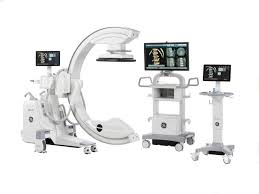
C-Arm X-Ray Machines: Real-Time Imaging for Precision-Guided Medical Procedures
In modern surgical and interventional medicine, accurate real-time imaging is essential for ensuring safe and successful procedures. One of the most important technologies used in operating rooms and diagnostic environments is the C-arm X-ray machine, a specialized fluoroscopic imaging system designed to provide continuous live visualization of internal anatomical structures. Named for its distinctive C-shaped arm that connects the X-ray source and detector, the C-arm enables flexible positioning and precise imaging during a wide range of medical procedures.
C-arm imaging is widely used in orthopedics, cardiology, pain management, urology, gastroenterology, and emergency surgery. Surgeons rely on real-time fluoroscopic guidance to accurately position implants, fix fractures, insert catheters, perform spinal procedures, and conduct minimally invasive interventions. This immediate visualization significantly improves procedural accuracy, reduces surgical risk, and enhances overall patient safety. Because of these benefits, C-arm systems have become indispensable in modern hospitals, surgical centers, and trauma units.
The operation of a C-arm X-ray machine is both efficient and patient-friendly. During a procedure, the device emits controlled X-ray beams that pass through the targeted body area and are captured by a digital detector. The system instantly converts these signals into high-resolution images displayed on a monitor, allowing physicians to observe movement, instrument placement, and anatomical alignment in real time. This continuous imaging capability is especially valuable for complex or delicate procedures that require extreme precision.
One of the major advantages of modern C-arm systems is their advanced digital imaging technology. Features such as flat-panel detectors, high-contrast resolution, image enhancement software, and low-dose radiation modes provide clearer visualization while prioritizing patient and staff safety. Mobile C-arm units also offer excellent maneuverability within operating rooms, enabling quick positioning and efficient workflow during surgical procedures. These innovations contribute to shorter procedure times, reduced complications, and improved clinical outcomes.
C-arm X-ray machines play a crucial role not only in surgery but also in diagnostic and therapeutic interventions. Physicians use fluoroscopic guidance for joint injections, angiographic studies, stent placement, biliary procedures, and pain management treatments. The ability to combine imaging with minimally invasive therapy reduces the need for open surgery, shortens hospital stays, and supports faster patient recovery. This makes C-arm technology a cornerstone of modern interventional medicine.
Although C-arm imaging involves exposure to ionizing radiation, contemporary systems are carefully engineered to maintain optimal low-dose performance without compromising image quality. Proper shielding, trained operation, and adherence to radiation safety protocols further minimize exposure risks. When clinically indicated, the benefits of precise real-time imaging far outweigh the minimal radiation concerns associated with fluoroscopy.
Like any advanced medical equipment, C-arm systems require proper maintenance, calibration, and professional handling to ensure consistent performance. Regular servicing, software updates, and operator training help extend equipment lifespan and maintain high diagnostic reliability. Selecting a high-quality C-arm from a trusted medical equipment provider is therefore essential for long-term clinical efficiency and patient care excellence.
In conclusion, the C-arm X-ray machine is a vital imaging solution for precision-guided diagnosis and minimally invasive treatment in modern healthcare. Its ability to deliver real-time visualization, enhance surgical accuracy, and improve patient outcomes makes it indispensable for operating rooms and interventional suites worldwide. As medical technology continues to advance, C-arm systems will remain at the forefront of safe, efficient, and high-precision medical care.

