
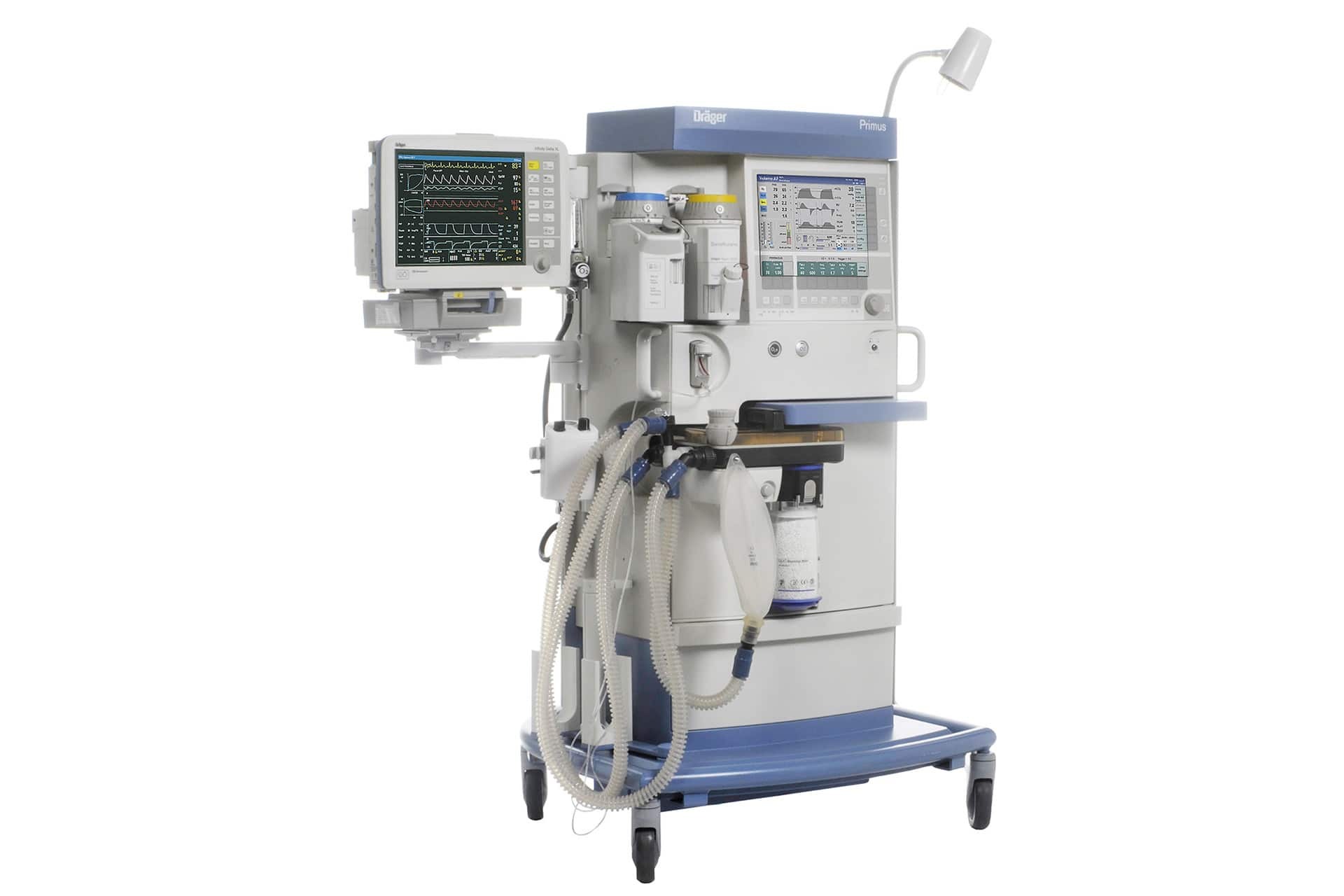
Anaesthesia Machine: An Essential Part of Modern Surgery
An anaesthesia machine is one of the most important medical devices used in modern operation theatres. It helps doctors keep a patient safely unconscious, free from pain, and breathing properly during surgical procedures. Without anaesthesia machines, most major surgeries would be extremely risky or even impossible. This article explains what an anaesthesia machine is, how it works, its main components, safety features, and why it is so important in today’s healthcare system.
To understand the anaesthesia machine, we first need to understand anaesthesia itself. Anaesthesia is a medical process that temporarily blocks pain or sensation in the body. In many surgeries, patients are placed into a controlled sleep-like state so they do not feel pain and remain still during the operation. The anaesthesia machine is the device that delivers and controls the gases and medications used to maintain this state safely.
The primary function of an anaesthesia machine is to provide a controlled mixture of oxygen, nitrous oxide, and anaesthetic vapors to the patient. In addition to delivering gases, the machine also supports or controls the patient’s breathing, monitors vital signs, and ensures the correct pressure and concentration of gases. Because of these life-supporting roles, the anaesthesia machine is sometimes described as a critical life-support system in the operating room.
A standard anaesthesia machine consists of several important components. The first is the gas supply system. Oxygen usually comes from a central hospital pipeline or backup oxygen cylinders attached to the machine. Nitrous oxide may also be supplied in a similar way. Pressure regulators reduce the high pressure from cylinders to a safe, usable level. Flowmeters then allow the anaesthesiologist to control exactly how much of each gas is delivered.
Another key component is the vaporizer. The vaporizer converts liquid anaesthetic agents into controlled vapors that mix with the breathing gases. Common anaesthetic agents include isoflurane, sevoflurane, and desflurane. Each vaporizer is specially designed for a specific drug to ensure accurate concentration and patient safety.
The breathing circuit connects the machine directly to the patient. It includes a face mask or endotracheal tube, breathing tubes, a reservoir bag, and a carbon dioxide absorber containing soda lime. The soda lime removes carbon dioxide from exhaled air so the patient does not rebreathe harmful CO₂. This closed or semi-closed system allows efficient and safe gas delivery during surgery.
Modern anaesthesia machines also include mechanical ventilators. These ventilators automatically assist or fully control the patient’s breathing when the patient cannot breathe independently under anaesthesia. Doctors can set tidal volume, respiratory rate, pressure limits, and other ventilation modes depending on the patient’s condition and type of surgery. This capability is especially important during long or complex operations.
Monitoring systems are another essential part of anaesthesia workstations. These monitors track the patient’s heart rate, blood pressure, oxygen saturation, carbon dioxide levels (capnography), temperature, and sometimes anaesthetic depth. Continuous real-time monitoring allows the anaesthesiologist to detect problems immediately and respond quickly, greatly improving patient safety.
Safety features in anaesthesia machines are highly advanced. Oxygen failure alarms warn if oxygen supply drops. Hypoxic guard systems prevent delivery of dangerously low oxygen mixtures. Pressure relief valves protect the lungs from excessive pressure. Backup oxygen cylinders ensure continued operation during pipeline failure. These built-in protections make modern anaesthesia machines extremely reliable.
Anaesthesia machines are used not only in operating theatres but also in intensive care units and emergency settings. In critical care, they may function as ventilators for patients who cannot breathe on their own. They are also used in pain management procedures and trauma care. Because of this wide range of applications, anaesthesia machines are considered essential equipment in any modern hospital.
Proper operation of an anaesthesia machine requires trained professionals. Anaesthesiologists and anaesthesia technologists carefully assess each patient, select appropriate drugs, adjust gas mixtures, and set ventilation parameters. Even a small mistake in dosage or gas concentration could be dangerous, which is why extensive training and vigilance are required.
Regular maintenance is equally important. Machines must undergo routine leak tests, calibration, vaporizer checks, filter replacement, and electrical safety inspections. Biomedical engineers typically perform these tasks to ensure accurate performance and long-term reliability. Poor maintenance can lead to equipment failure and serious patient risk.
Technology in anaesthesia workstations continues to advance. Many modern systems feature touchscreen controls, digital gas flow regulation, automated record keeping, and advanced ventilation modes similar to ICU ventilators. Some research is exploring artificial intelligence that could automatically adjust anaesthetic delivery based on patient responses, potentially improving precision and safety even further.
In developing countries, access to modern anaesthesia machines is improving but still uneven. Urban hospitals often have advanced equipment, while rural facilities may face shortages of machines, trained staff, or maintenance support. Expanding safe anaesthesia services is essential for improving surgical care and saving lives.
In conclusion, the anaesthesia machine is a cornerstone of modern medical science. It allows surgery to be performed safely, painlessly, and effectively while continuously protecting the patient’s vital functions. Through the combined efforts of doctors, nurses, technologists, and engineers, these machines help save countless lives every day. As technology continues to evolve, anaesthesia machines will become even safer, smarter, and more accessible, further strengthening healthcare systems around the world.

