
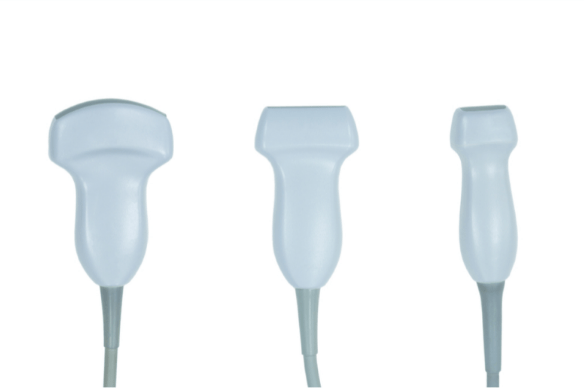
Ultrasound Probes: High-Precision Transducers for Accurate Medical Imaging
In modern diagnostic medicine, the quality of ultrasound imaging depends not only on the ultrasound machine itself but also on the performance of the ultrasound probe, also known as a transducer. An ultrasound probe is a specialized medical component that emits high-frequency sound waves into the body and receives the returning echoes to create real-time images of internal organs, tissues, and blood flow. Because of its essential role in image formation, the probe is considered one of the most critical elements of any ultrasound system used in hospitals, clinics, and diagnostic centers.
Ultrasound probes are widely used in a variety of clinical applications, including abdominal imaging, obstetrics and gynecology, cardiology, vascular assessment, musculoskeletal evaluation, and emergency medicine. Different probe designs allow physicians to examine specific body regions with precision. For example, convex probes are commonly used for abdominal and obstetric scans, linear probes are preferred for vascular and soft-tissue imaging, and phased-array probes are essential for cardiac examinations. This versatility makes ultrasound probes indispensable for comprehensive patient diagnosis.
The working principle of an ultrasound probe is based on piezoelectric crystal technology. When electrical energy is applied, the crystals vibrate and generate ultrasonic sound waves that travel into the body. These waves reflect differently from various tissues and return to the probe as echoes. The ultrasound system then converts these signals into detailed visual images displayed on a monitor. High-quality probes ensure better signal transmission, clearer resolution, and more accurate diagnostic interpretation.
One of the major advantages of modern ultrasound probes is continuous technological advancement. Today’s probes feature high-frequency bandwidth, improved sensitivity, ergonomic design, and enhanced durability. Many advanced probes also support Doppler imaging, harmonic imaging, and three-dimensional visualization, allowing clinicians to evaluate blood flow, detect subtle abnormalities, and obtain highly detailed anatomical information. These innovations significantly improve diagnostic confidence and patient care.
Proper maintenance and handling of ultrasound probes are essential for long-term performance and infection control. Medical facilities must follow recommended cleaning, disinfection, and storage procedures to prevent cross-contamination and equipment damage. Using protective probe covers, approved disinfectants, and routine inspection helps extend probe lifespan and ensures patient safety during repeated clinical use.
Although ultrasound probes are highly reliable, they may experience wear and tear over time due to frequent handling, cable bending, or accidental impact. Reduced image clarity, signal drop, or physical damage can indicate the need for professional repair or replacement. Selecting high-quality probes from trusted medical equipment suppliers, along with reliable service support, is crucial for maintaining an uninterrupted diagnostic workflow.
In conclusion, the ultrasound probe is a fundamental component of modern ultrasound imaging, directly influencing image quality, diagnostic accuracy, and clinical efficiency. Its advanced technology, wide clinical application, and critical role in patient evaluation make it indispensable for healthcare providers. As ultrasound technology continues to evolve, high-performance probes will remain central to delivering safe, precise, and real-time medical diagnosis across diverse healthcare settings.

