
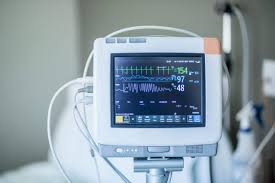
Patient monitors are critical medical devices used in hospitals, clinics, and intensive care units (ICUs) to continuously track a patient’s vital signs. These advanced monitoring systems provide real-time information about heart rate, blood pressure, oxygen saturation, respiratory rate, and body temperature. By offering accurate and instant data, patient monitors help healthcare professionals detect medical emergencies early, make quick treatment decisions, and improve overall patient safety.
In modern healthcare, continuous patient monitoring has become a cornerstone of critical care medicine. Doctors and nurses rely on patient monitors to observe sudden changes in a patient’s condition, especially during surgery, severe illness, trauma, or recovery after major procedures. Without these monitoring systems, identifying life-threatening complications in time would be far more difficult.
A standard patient monitoring system typically includes sensors, electrodes, cables, and a digital display screen. The sensors are attached to different parts of the patient’s body to measure specific physiological parameters. For example, ECG electrodes monitor heart activity, a pulse oximeter measures blood oxygen levels (SpO₂), and a blood pressure cuff records systolic and diastolic pressure. All collected data appears instantly on the monitor screen, often with alarms that alert medical staff if values move outside safe ranges.
There are several types of patient monitors designed for different medical settings. Bedside monitors are commonly used in ICUs and emergency rooms for critically ill patients who require constant observation. Portable patient monitors are lightweight and battery-powered, allowing monitoring during patient transport inside hospitals or in ambulances. Multiparameter monitors combine several measurements—such as ECG, SpO₂, temperature, and blood pressure—into a single integrated device, making them highly efficient for modern clinical environments. Wearable and remote monitoring systems are also becoming more common, enabling doctors to track patients at home through wireless technology.
Patient monitors play a vital role in improving clinical outcomes. Continuous monitoring allows early detection of cardiac arrest, respiratory failure, low oxygen levels, or abnormal blood pressure. Quick medical intervention based on monitor alerts can prevent complications, reduce mortality, and shorten hospital stays. In surgical settings, anesthesiologists depend heavily on monitoring systems to maintain patient stability throughout procedures.
Beyond hospitals, patient monitoring technology is expanding into home healthcare and telemedicine. Remote patient monitoring devices allow individuals with chronic diseases—such as heart disease, diabetes, or COPD—to share real-time health data with doctors without frequent hospital visits. This approach improves long-term disease management, reduces healthcare costs, and increases convenience for patients, particularly in rural or underserved areas.
Despite their many benefits, patient monitors must be used and maintained properly. Incorrect sensor placement, equipment malfunction, or alarm fatigue among healthcare workers can reduce effectiveness. Regular calibration, staff training, and proper infection control practices are essential to ensure accurate readings and patient safety. Modern smart monitors are addressing these challenges with improved alarm systems, artificial intelligence–based analysis, and wireless integration with hospital information systems.
In developing countries like Bangladesh, access to advanced patient monitoring equipment is steadily improving. Government investments, private healthcare expansion, and international medical support programs are increasing the availability of ICU monitors and portable monitoring devices. However, challenges such as equipment cost, maintenance, and trained personnel still remain. Strengthening healthcare infrastructure and technical training will be key to expanding high-quality patient monitoring nationwide.
Technological innovation continues to transform patient monitoring. New-generation monitors now include touchscreen interfaces, cloud connectivity, data analytics, and AI-driven predictive alerts that can warn clinicians before a patient’s condition becomes critical. Wearable biosensors and smartphone-connected monitoring apps are also shaping the future of personalized healthcare. These advancements promise safer, smarter, and more accessible monitoring solutions across the globe.
In conclusion, patient monitors are indispensable tools in modern medical care. They provide continuous, real-time insight into a patient’s vital signs, enabling rapid diagnosis, timely treatment, and improved survival rates. From ICUs to home healthcare, monitoring technology is enhancing patient safety and transforming healthcare delivery. As innovation continues and access expands, patient monitors will remain at the heart of life-saving medical practice worldwide.

