
Gastroscopy and Colonoscopy System: Comprehensive Visualization for Digestive Health
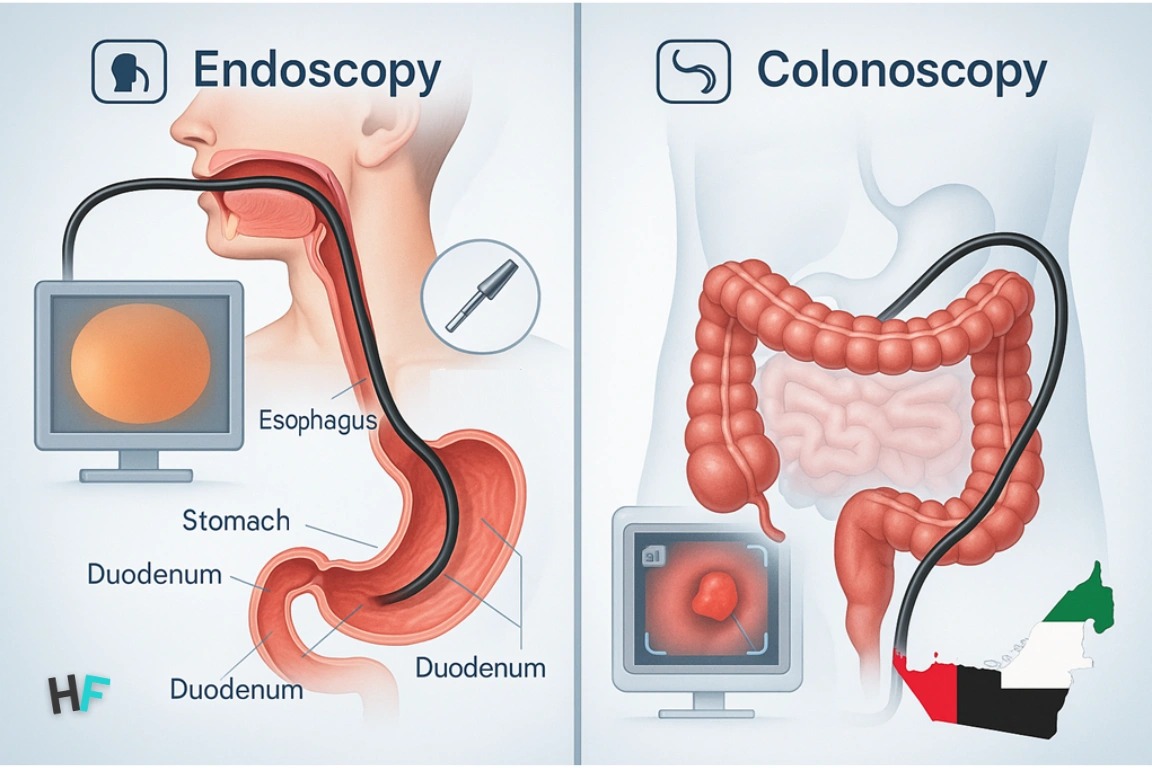
The Gastroscopy and Colonoscopy System is a cornerstone of modern gastrointestinal (GI) diagnostics, enabling physicians to examine the entire digestive tract with accuracy, safety, and minimal discomfort. By combining advanced imaging technology with flexible endoscopic instruments, this system allows direct visualization of the esophagus, stomach, duodenum, colon, and rectum—helping detect diseases at an early and more treatable stage.
Gastroscopy focuses on the upper gastrointestinal tract. It is commonly recommended for patients experiencing persistent heartburn, abdominal pain, nausea, vomiting, difficulty swallowing, unexplained weight loss, or signs of internal bleeding. Through a thin, flexible gastroscope equipped with a high-resolution camera and light source, doctors can identify conditions such as gastritis, ulcers, infections, polyps, and early gastric cancer. The system also enables targeted biopsy collection and minor therapeutic interventions during the same procedure.
Colonoscopy, on the other hand, examines the lower gastrointestinal tract, particularly the colon and rectum. It plays a vital role in screening for colorectal cancer, which is one of the most preventable cancers when detected early. Colonoscopy can reveal polyps, inflammation, diverticulosis, bleeding sources, and tumors. Importantly, precancerous polyps can often be removed immediately, reducing the risk of cancer development without the need for major surgery.
A modern gastroscopy and colonoscopy system typically includes high-definition or 4K endoscopes, an advanced camera control unit, powerful LED or xenon light source, image processor, medical display monitor, and digital recording capabilities. Many systems also feature image-enhancement technologies such as narrow band imaging or chromoendoscopy, which improve visualization of subtle mucosal abnormalities and vascular patterns. These innovations significantly increase diagnostic accuracy and clinical confidence.
Patient comfort and safety are central to contemporary endoscopic practice. Procedures are usually performed under local anesthesia with optional mild sedation, making the experience more tolerable. Because these are minimally invasive techniques, recovery time is short, complications are rare, and hospital stays are often unnecessary. Strict sterilization protocols and high-quality instrument design further ensure infection control and procedural reliability.
Beyond diagnosis, the system supports a wide range of therapeutic applications. Physicians can stop bleeding, remove foreign bodies, dilate narrowed segments, place stents, and excise small tumors or polyps—all without open surgery. This reduces treatment costs, shortens recovery, and improves overall patient outcomes.
In preventive healthcare, routine colonoscopy screening after a certain age or risk level has proven highly effective in lowering colorectal cancer mortality. Similarly, timely gastroscopy helps detect upper GI diseases before they progress into severe or life-threatening conditions. Together, these procedures form a comprehensive approach to digestive health management.
In conclusion, the Gastroscopy and Colonoscopy System represents a powerful integration of imaging precision, minimally invasive care, and therapeutic capability. By enabling early detection, accurate diagnosis, and immediate treatment of gastrointestinal disorders, it continues to play a crucial role in improving patient survival, comfort, and quality of life in modern healthcare settings.

